Join Us Sept. 18th for Prescription For Prevention: Opioid Misuse in Rural Georgia – Register Here
Available Now – The Flight: My Opioid Journey Audiobook. All proceeds support CWC Alliance — Learn More.
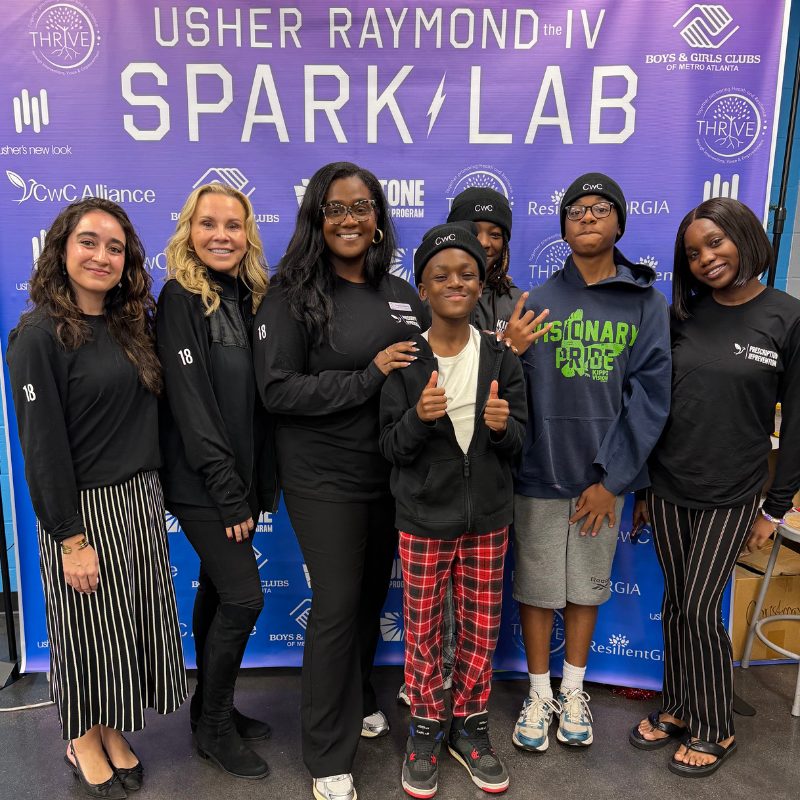
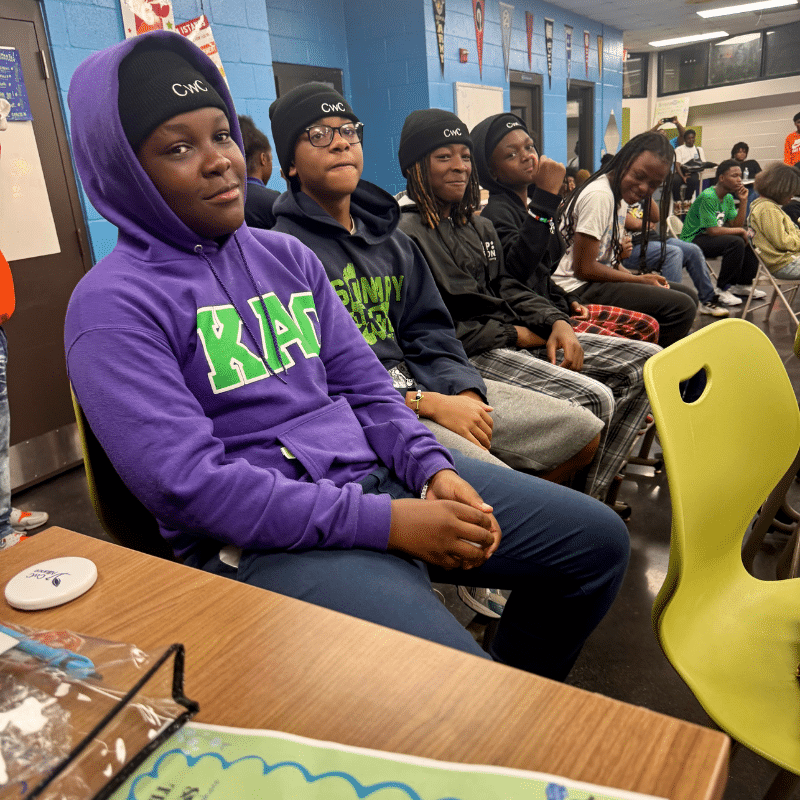
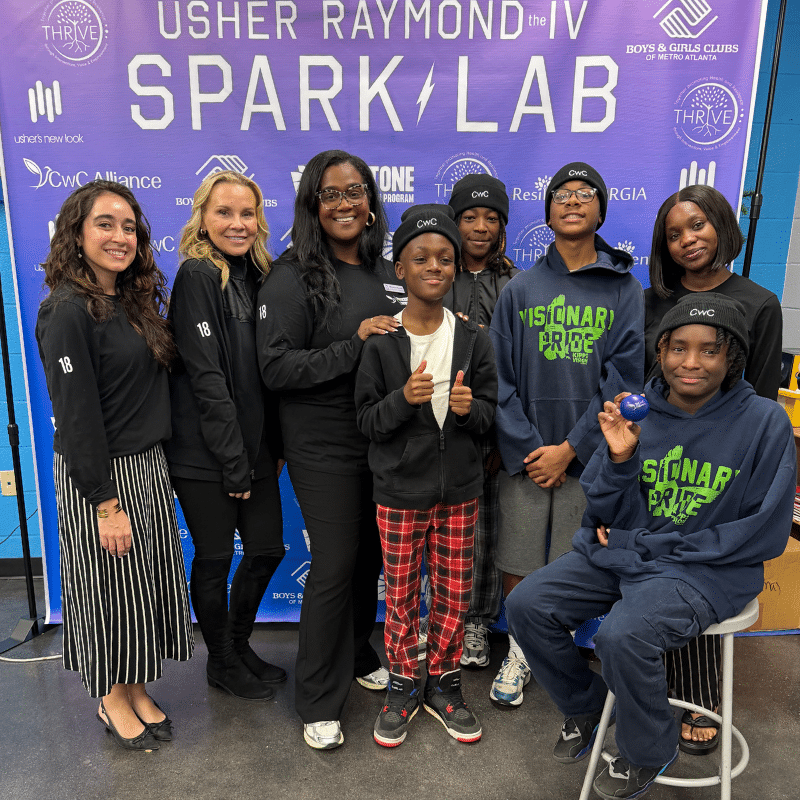
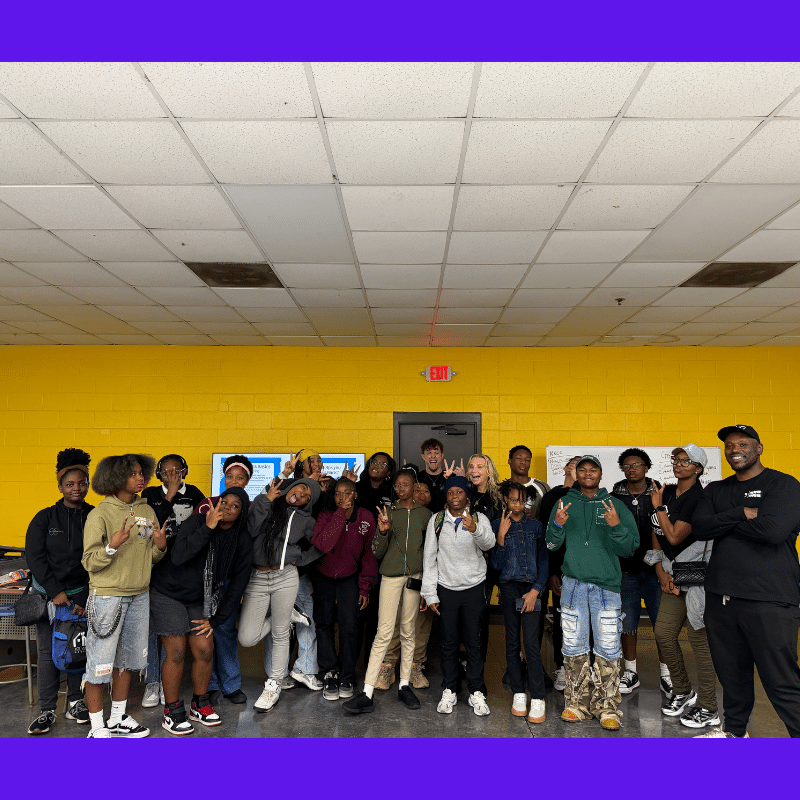
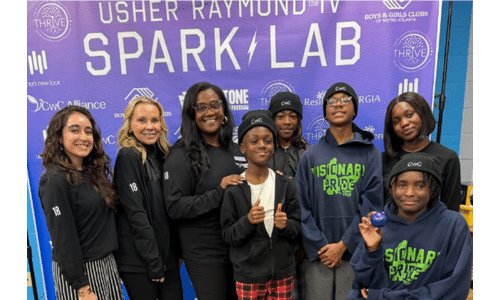
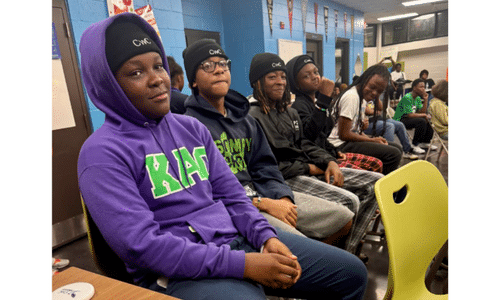
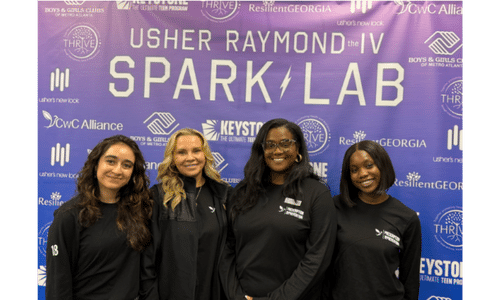
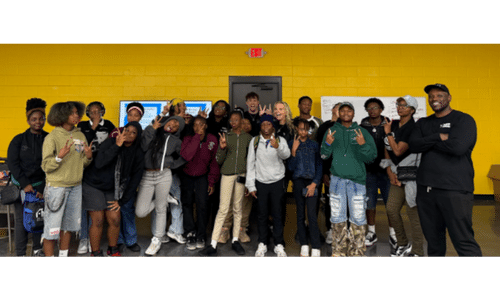
The Youth Prevention Network (YPN) is a statewide initiative that empowers teens and equips supportive adults to build healthier, more resilient communities.
Our training program is designed to equip youth and the adults who support them with the knowledge, skills, and confidence to make healthy choices and lead positive change in their communities. Through interactive modules, participants gain practical tools for mental wellness, substance misuse prevention, and leadership development.
This module helps youth understand mental health, practice self-care, and build resilience using the Community Resiliency Model (CRM). Participants learn how to manage stress, support peers, and strengthen their overall well-being.
Focused on opioid and fentanyl education, this module provides essential awareness about the risks of substance misuse. Youth explore real-world stories, learn the facts behind the opioid epidemic and fentanyl crisis while gaining tools to make informed, healthy choices that protect their futures.
In this leadership development and peer-to-peer training module, youth discover their natural strengths, explore their “why,” and learn how to influence positive change. Communication, teamwork, and advocacy skills are emphasized, empowering youth to become prevention leaders in their communities.
Through an interactive curriculum, leadership development, and prevention strategies, YPN prepares:
Teen leaders are trained to promote mental wellness, healthy decision-making, and substance misuse prevention among peers.
Supportive adults who guide, encourage, and amplify youth voices to create lasting community impact.

Our ‘Backpack Strategy’ is a way for youth to picture the tools they carry to create positive change.
We welcome every question in hopes that the Life Care Specialist role will soon spread to communities nationwide. Here are some questions we hear most often:
Hospitals interested in bringing an LCS to their team will begin by connecting with CWC, assessing their hospital’s needs, securing leadership support, and acquiring funding. LCSs are then placed in key hospital departments where they provide critical support to patients and staff.
They truly do. Our clinical study showed that participants who saw an LCS were discharged with 25% less opioid pain medication compared to those who did not interact with an LCS.
Medical experience is preferred but not required to become an LCS, and neither is a college degree. The Mercer School of Medicine certification is intentionally crafted to equip passionate individuals from various walks of life.
LCSs are paraprofessionals who can provide a first step in educating patients about mental health, but they do not replace counselors or therapists.
The Life Care Specialist certification is a career path that stems from a deep place of empathy and compassion. The desire to make a difference in even one life is what creates a great LCS.
Life Care Specialists currently work in hospitals across Georgia and Arkansas, and we are ready to continue expanding!
There are so many avenues for fighting the opioid epidemic. Educating yourself, donating to CWC or one of our partners, carrying Narcan, and speaking out about the dangers of opioid misuse are all ways to make an impact.